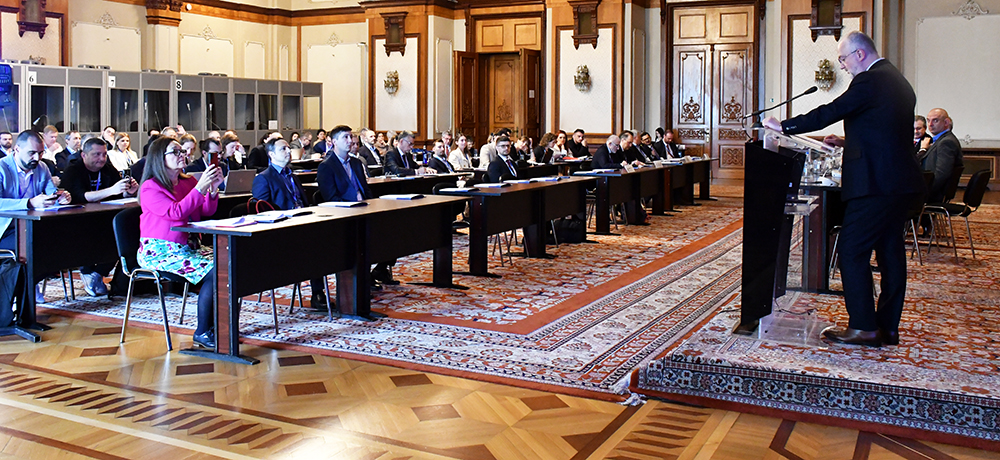
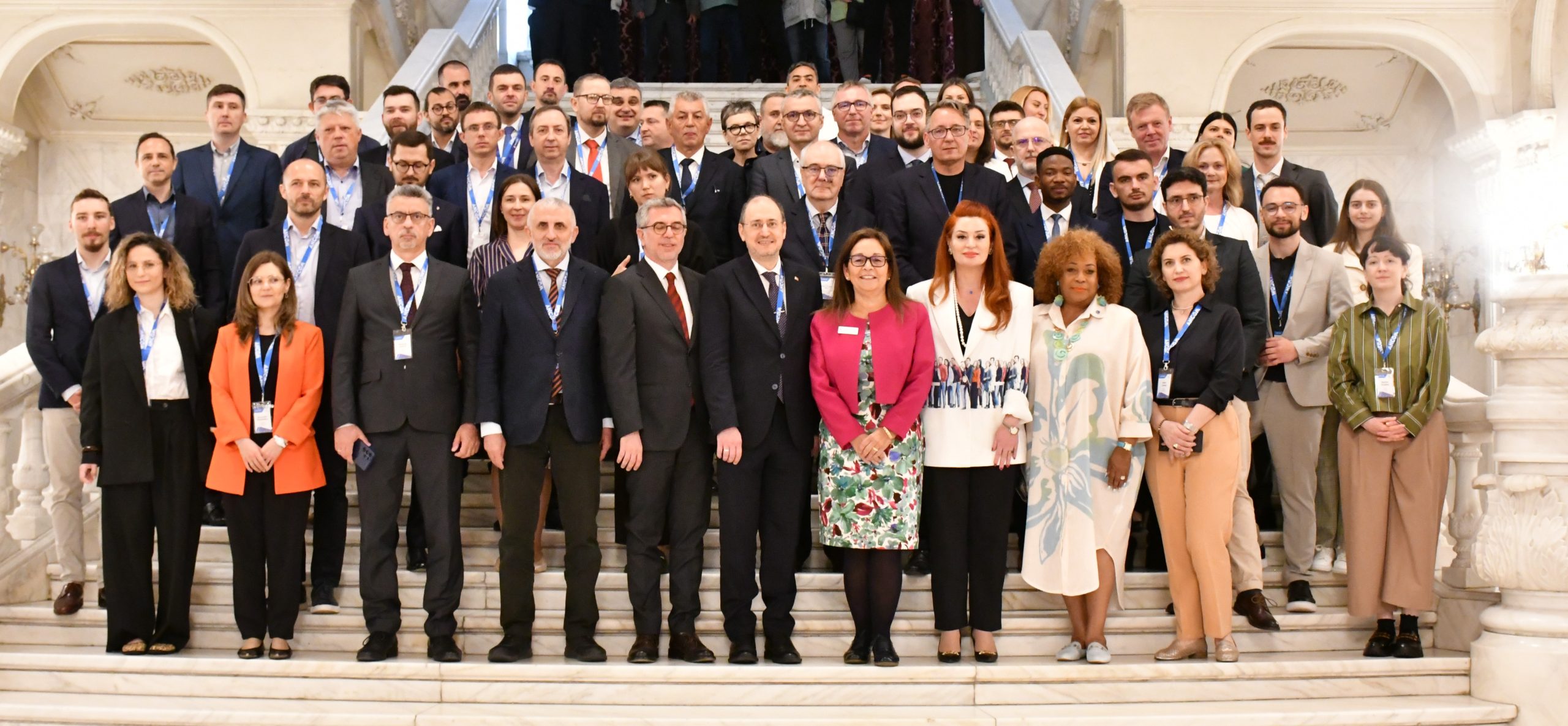
Between 25–26 May 2026, ANCOM hosted, at the Palace of Parliament and with the support of the Chamber of Deputies’ Committee for Information Technology and Communications, the first edition in Bucharest of the Digital Communications and Media Forum 2026. The event was held under the auspices of the International Institute of Communications (IIC), one of the leading international platforms for dialogue in the field of communications and digital policy.
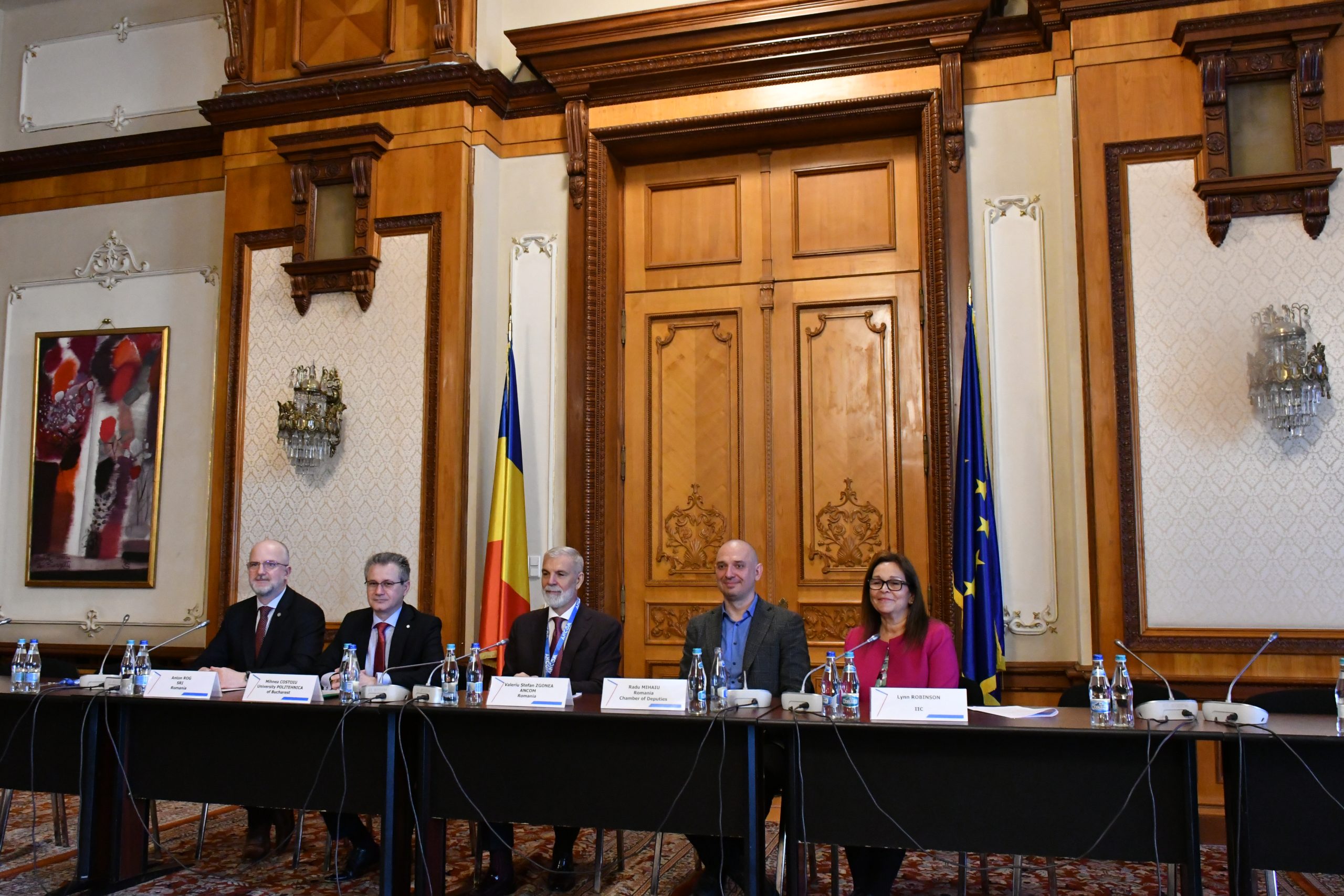
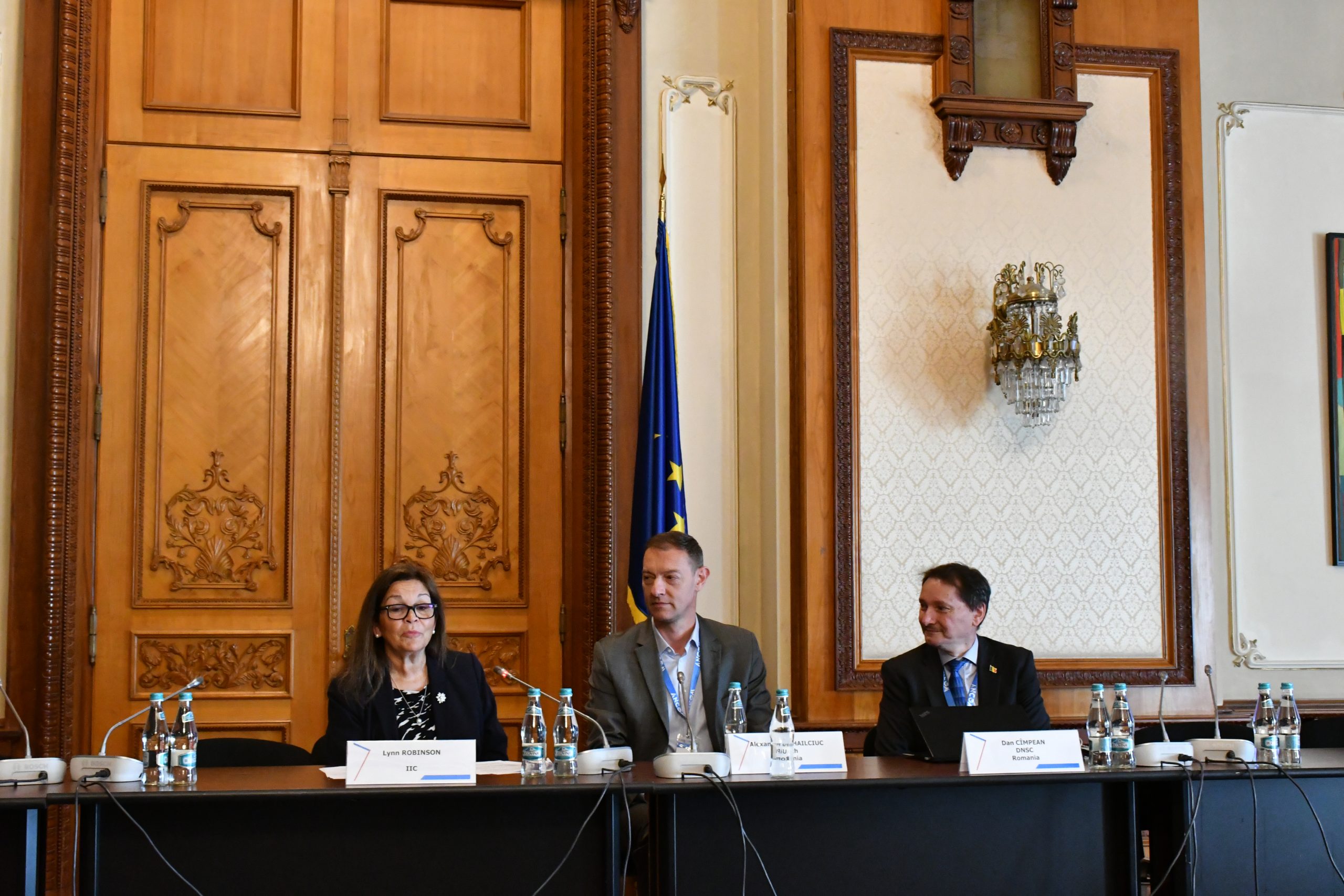
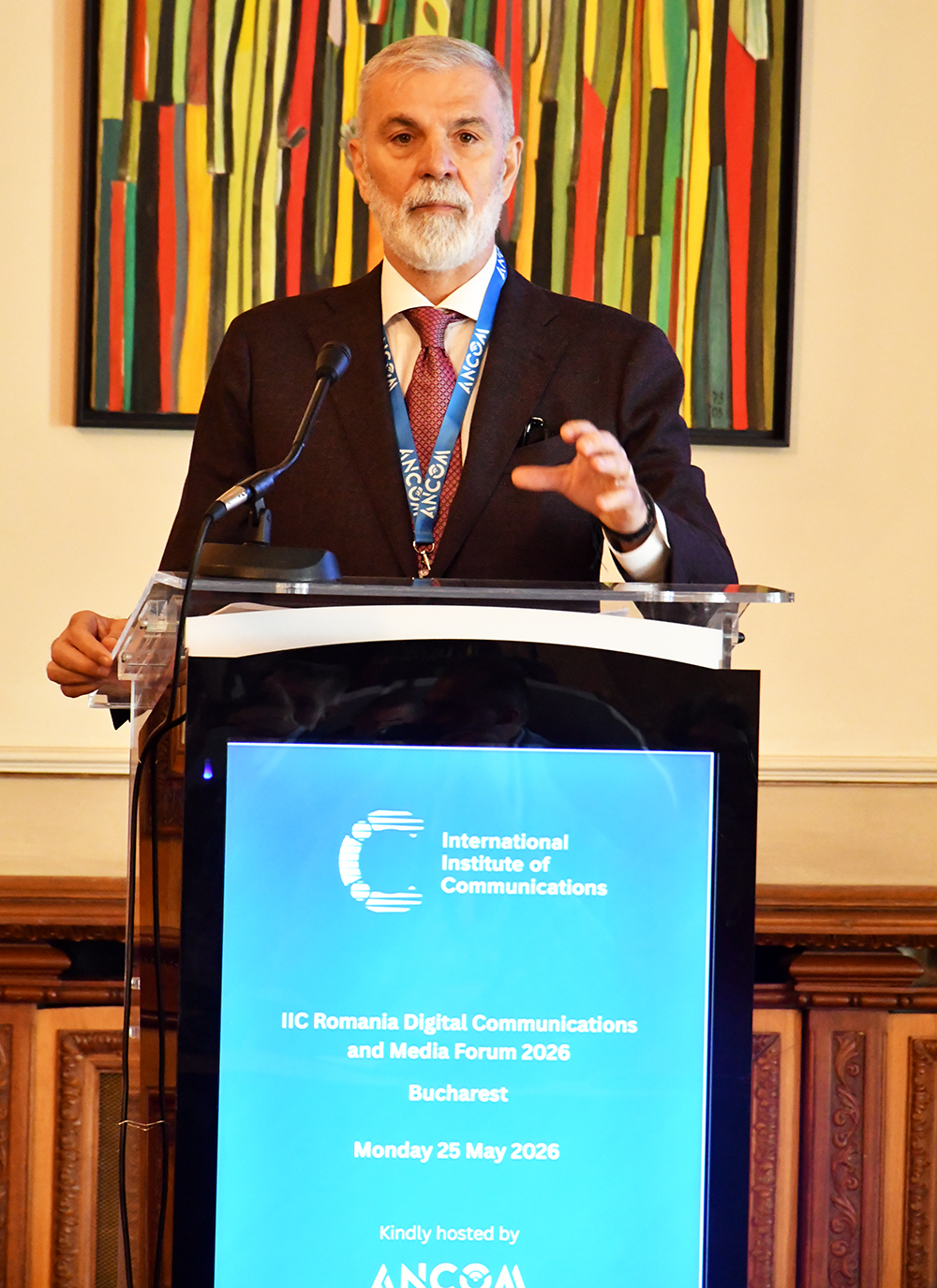
The forum was opened by ANCOM President Valeriu Zgonea and IIC Director General Lynn Robinson and brought together representatives of regulatory authorities, policymakers, industry leaders, academia, and civil society from Central and Eastern Europe, the Caucasus, and Central Asia.
Remarks were further delivered by the Chair of the Chamber of Deputies’ Committee for Information Technology and Communications, the Rector of University POLITEHNICA of Bucharest, the Director of the National Cyberint Center, and the Director of the National Cyber Security Directorate.
The event provided a platform for dialogue on the challenges and opportunities of digital transformation, ranging from the development of next-generation digital networks, satellite connectivity, and cyber resilience to the impact of artificial intelligence, the regulation of digital services, and the future of the media sector.
Key Topics on the Forum Agenda
Over the course of the two-day event, experts discussed the main pillars of the digital economy:
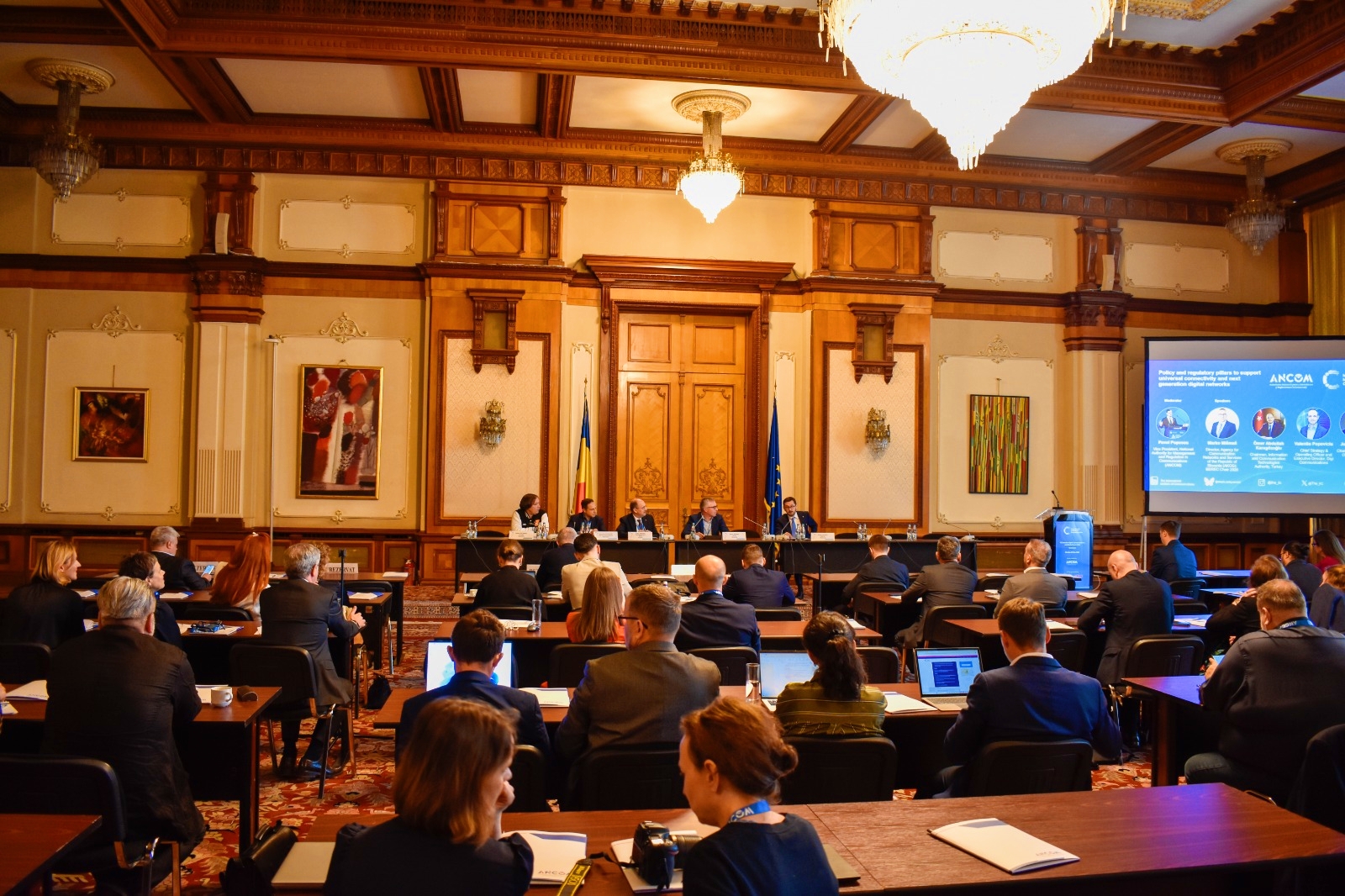
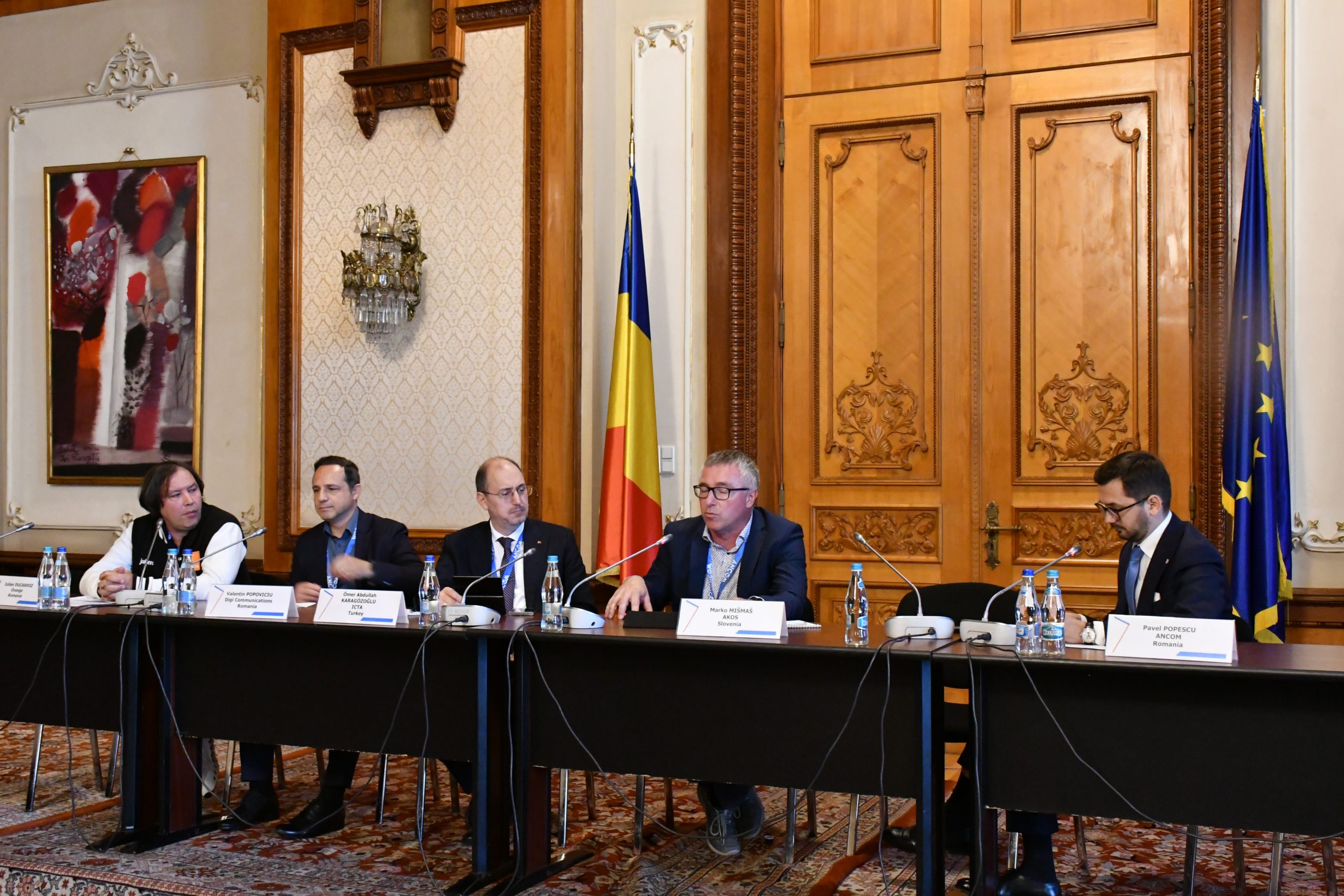
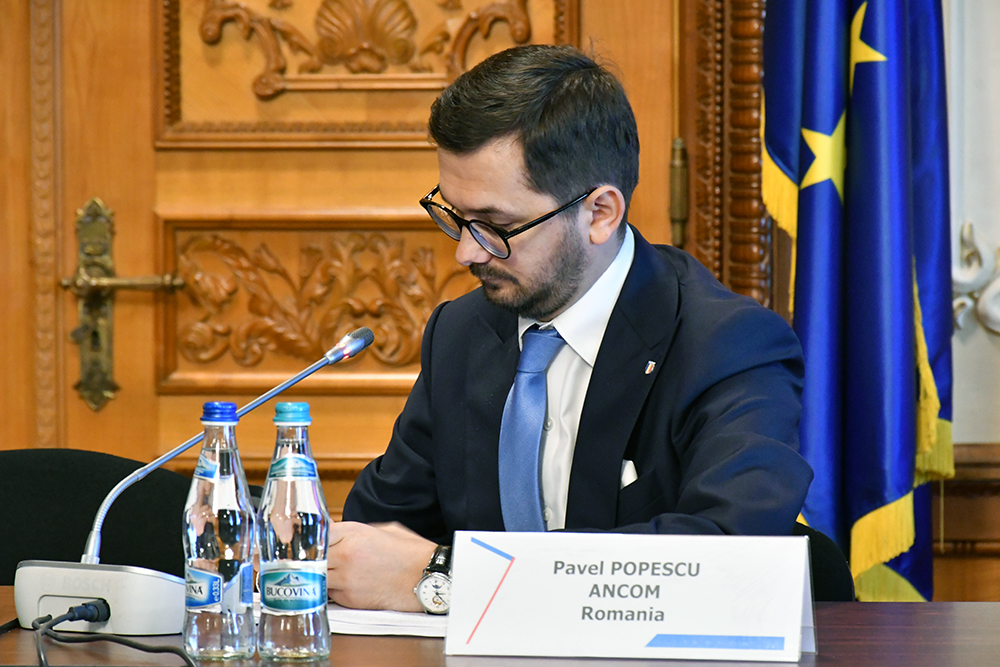
- Future Connectivity: Discussions focused on the prospects for 5G network development, infrastructure interoperability, and spectrum policies needed to reduce connectivity gaps between urban and rural areas. Moderated by ANCOM Vice-President Pavel Popescu, the panel brought together the 2026 BEREC Chair, the Chair of the Turkish regulatory authority, as well as representatives from Digi Romania and Orange Romania.
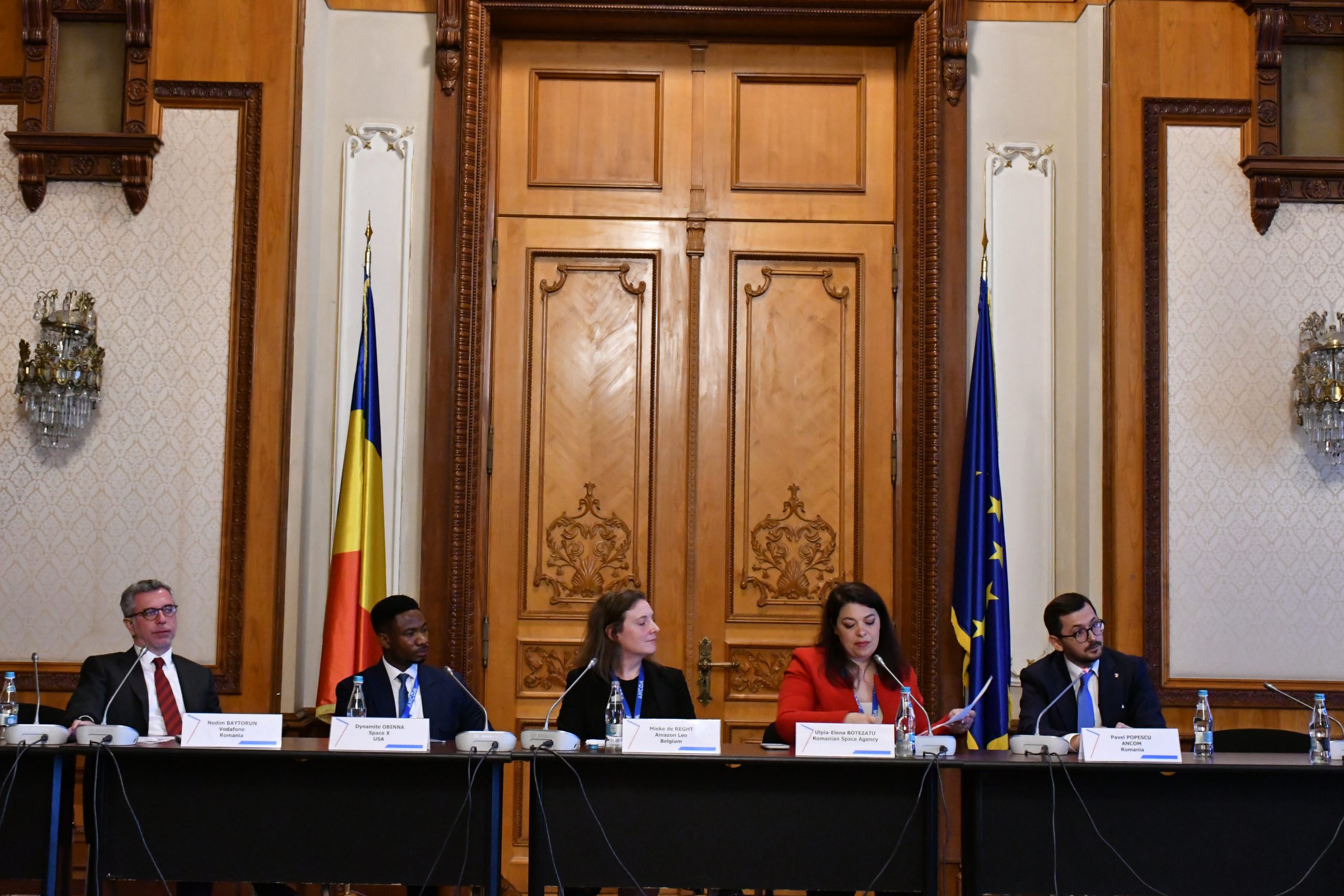
- Integration of Space Communications: A central topic was non-terrestrial networks and satellite connectivity, with discussions examining the integration of satellite services into national electronic communications policies. Contributors included Vodafone Romania, Amazon, SpaceX, the Romanian Space Agency, and ANCOM.
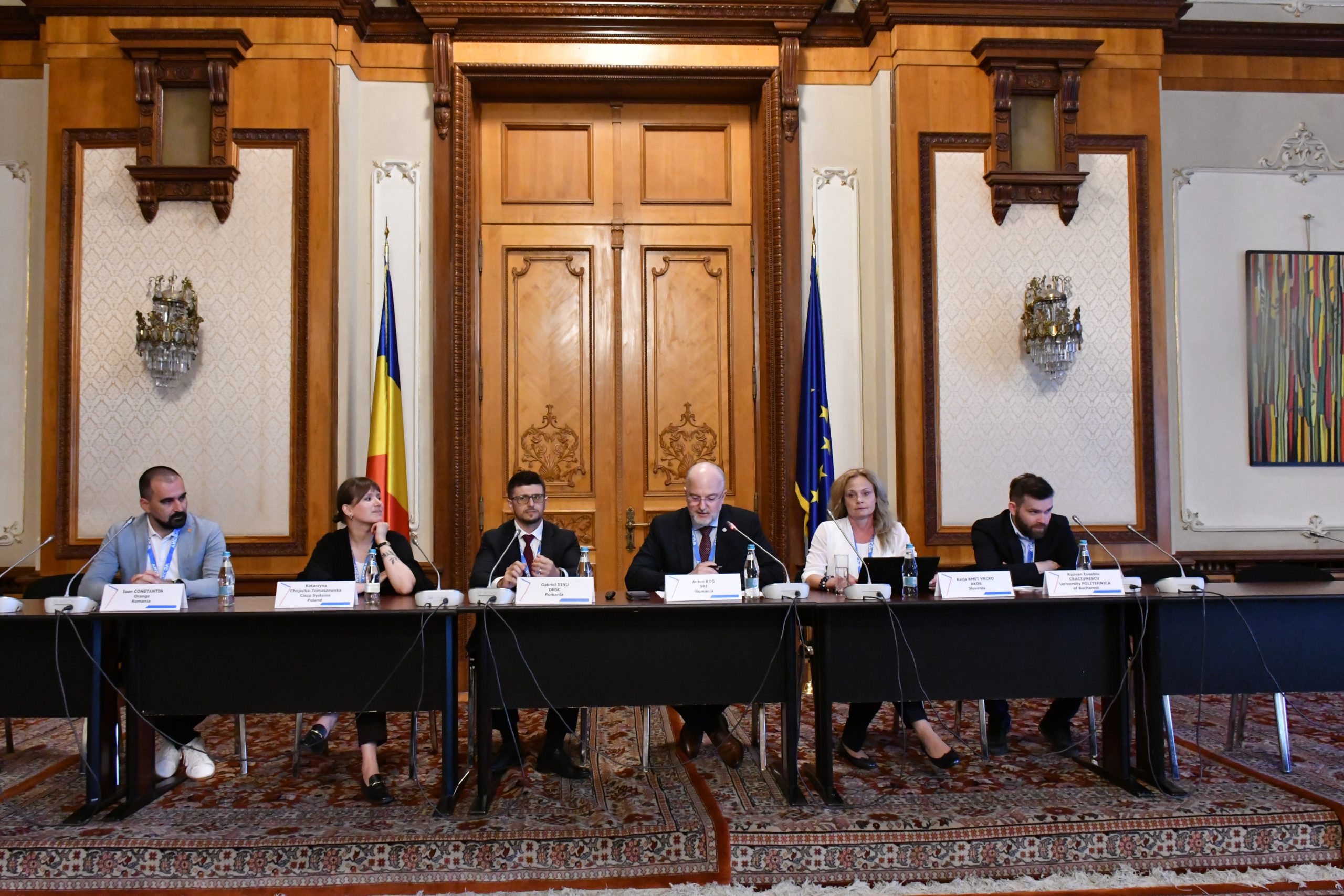
- Security and Resilience: In the context of the NIS2 Directive requirements, discussions addressed risk management in supply chains and cross-border cooperation to protect critical infrastructures against complex cyber threats amplified by artificial intelligence. The panel brought together institutions such as DNSC, the National Cyberint Center, the Slovenian regulatory authority, as well as representatives from Cisco, Orange Romania, and University POLITEHNICA of Bucharest.
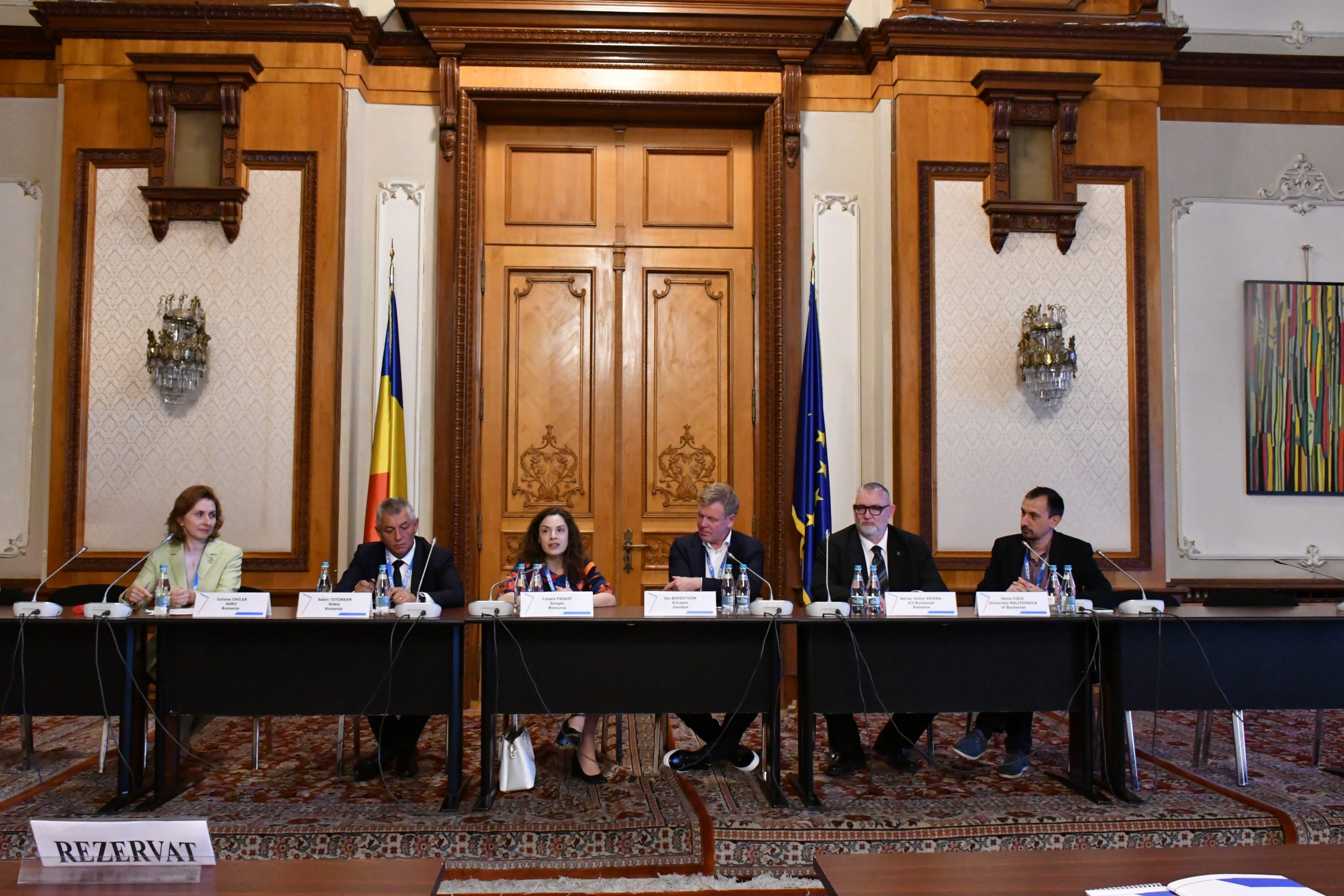
- Artificial Intelligence: Participants examined the balance between regulation and support for the competitiveness of AI ecosystems, as well as the tools needed to supervise critical infrastructures, including data centers and high-performance cloud technologies. The panel, moderated by University POLITEHNICA of Bucharest, included representatives from ICI Bucharest, Ericsson, Google, Nokia, and ASRO. UiPath also highlighted the impact of emerging technologies on the transformation of business processes and operational models, as well as the role of public policies in supporting innovation.
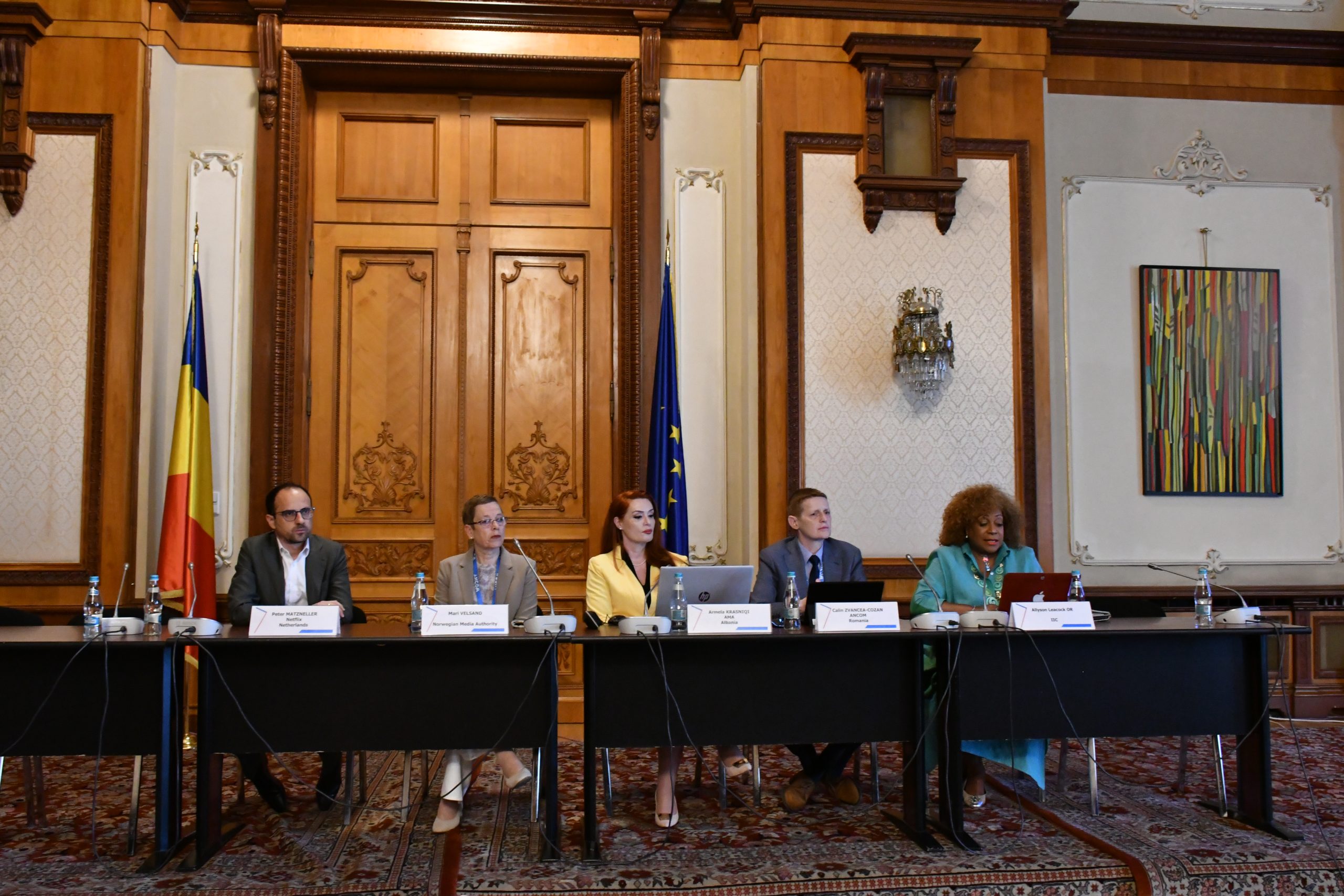
- Digital Services: Authorities from Albania, Barbados, Norway, and Romania, together with Netflix, shared their experience in implementing and enforcing the Digital Services Act (DSA), with a focus on the online safety of minors.
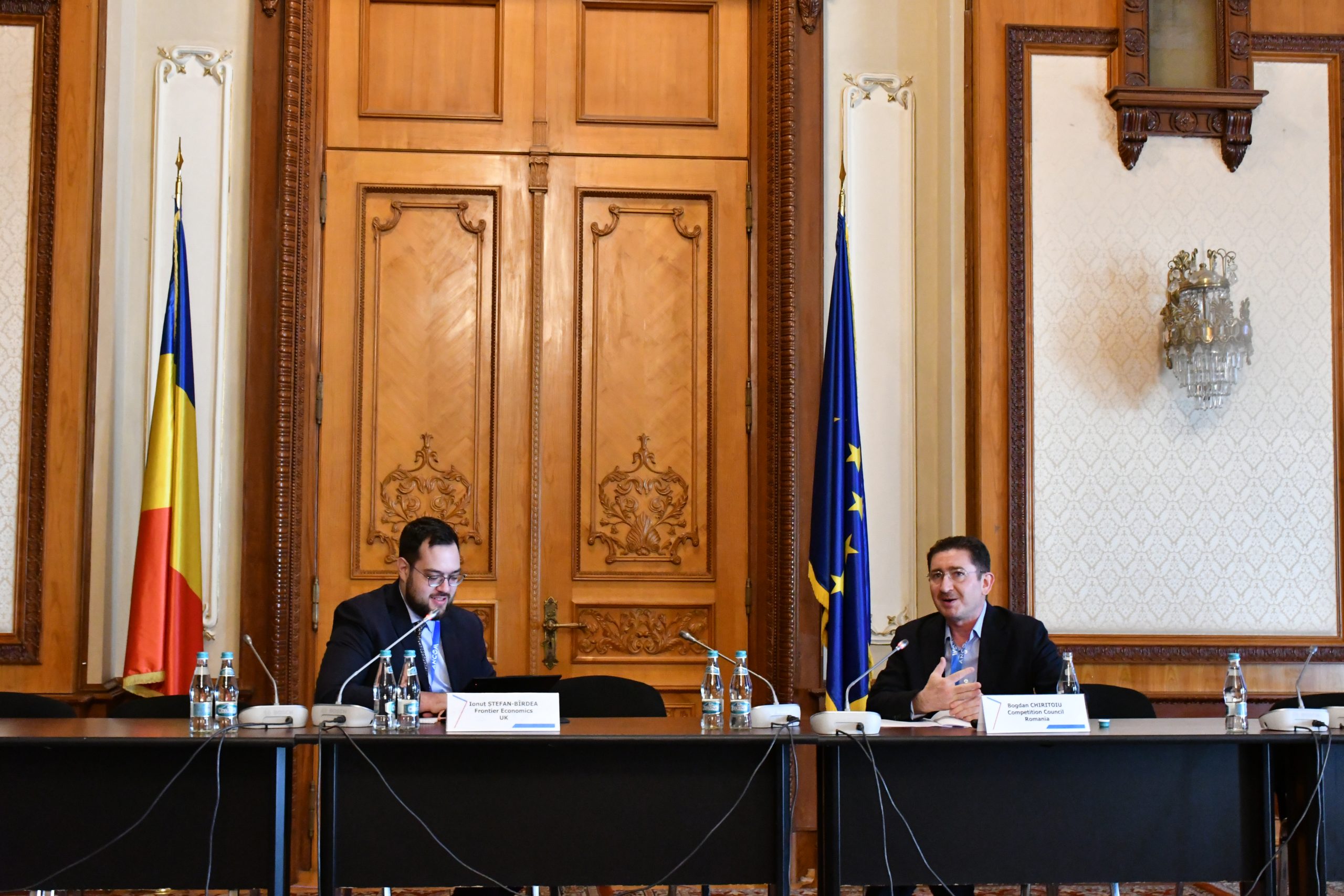
- Competition in Digital Markets: The dialogue between Frontier Economics and the President of the Romanian Competition Council analyzed the effectiveness of ex ante and ex post initiatives in relation to the global nature of major digital platforms, as well as the role of national, regional, and international cooperation in combating anti-competitive practices.
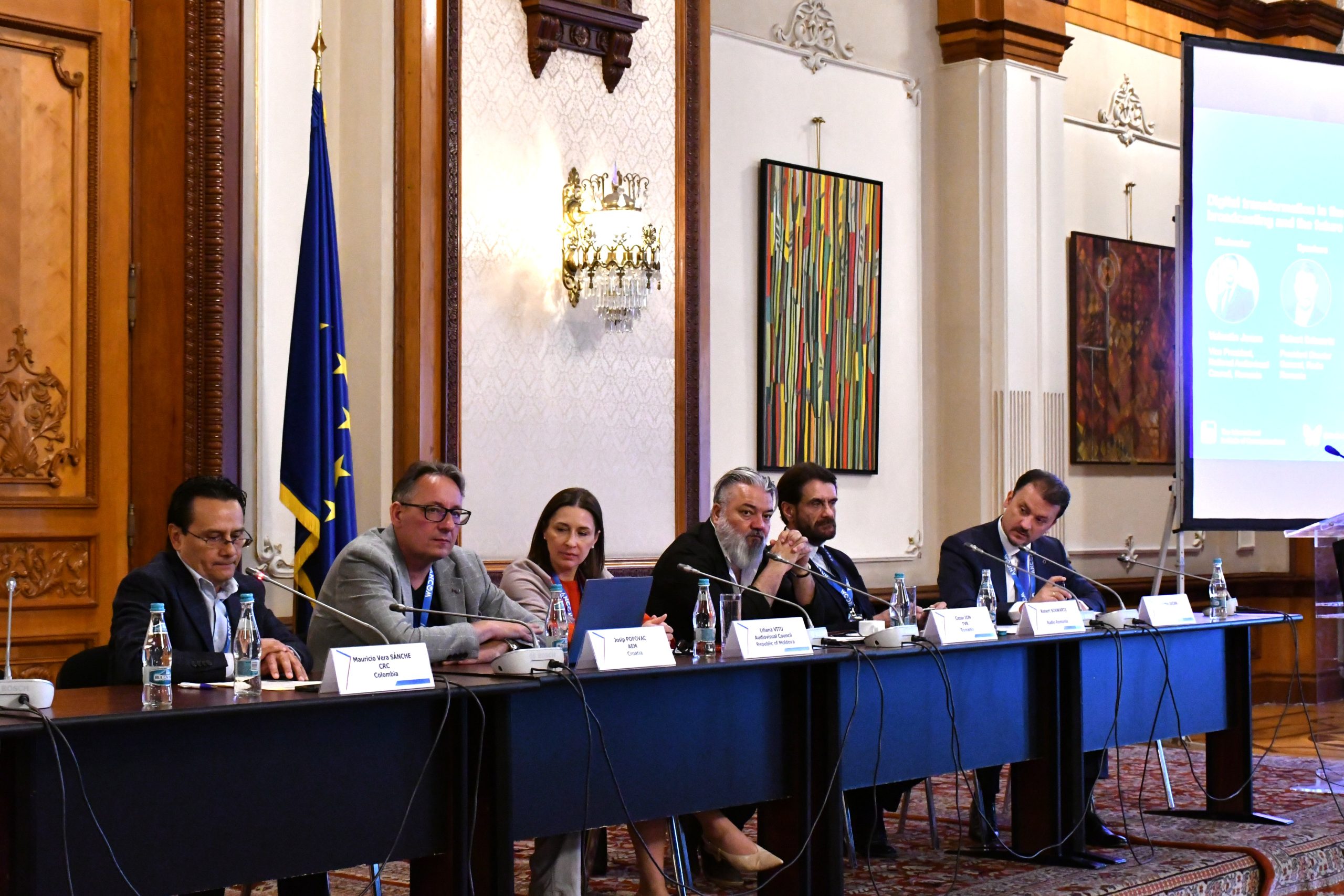
- The Future of the Media Sector: Discussions focused on safeguarding media pluralism in the context of the European Media Freedom Act (EMFA), combating disinformation, and promoting digital literacy, with participation from TVR, Radio Romania, and media regulatory authorities from Colombia, Croatia, the Republic of Moldova, and Romania.
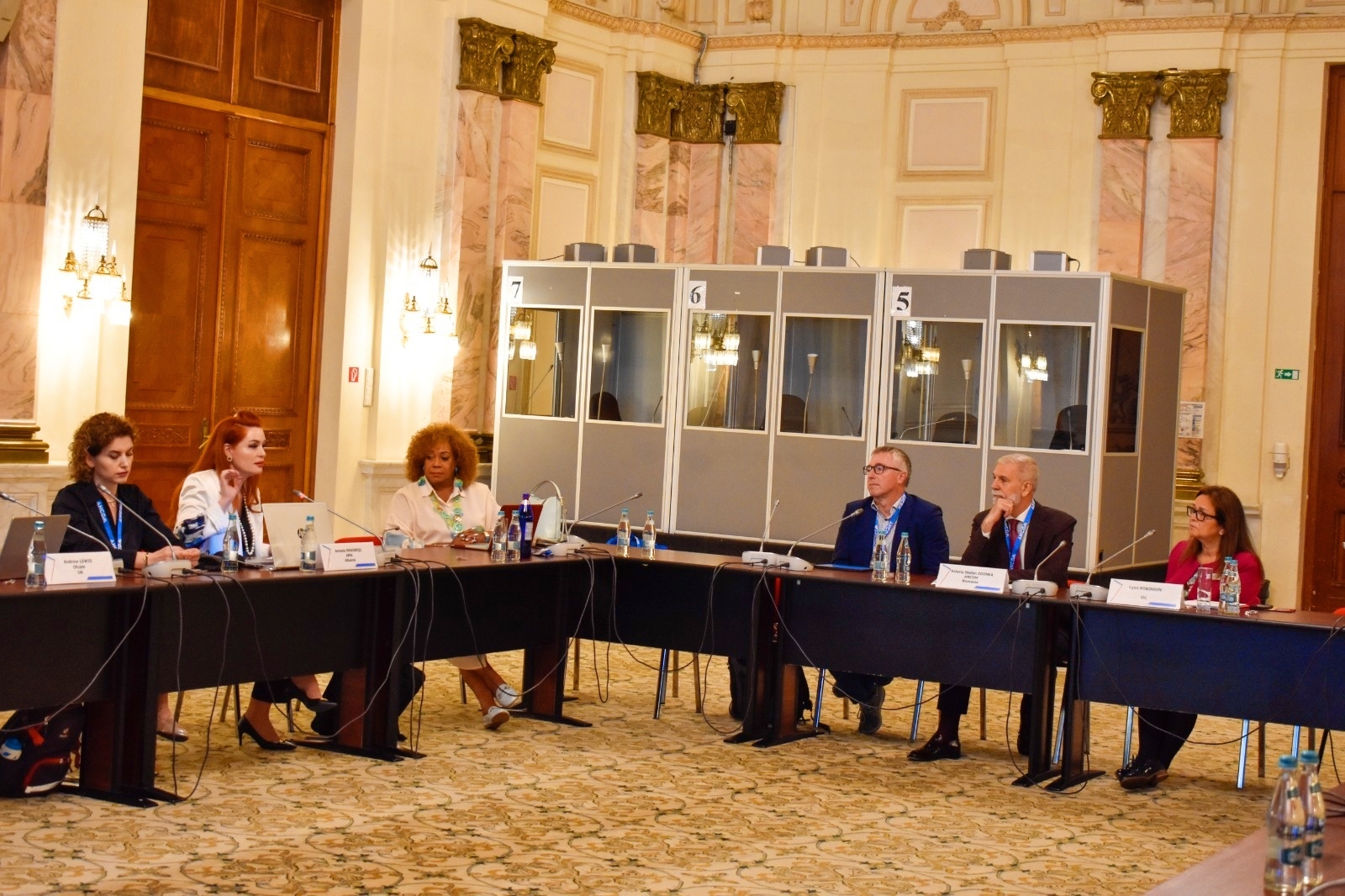
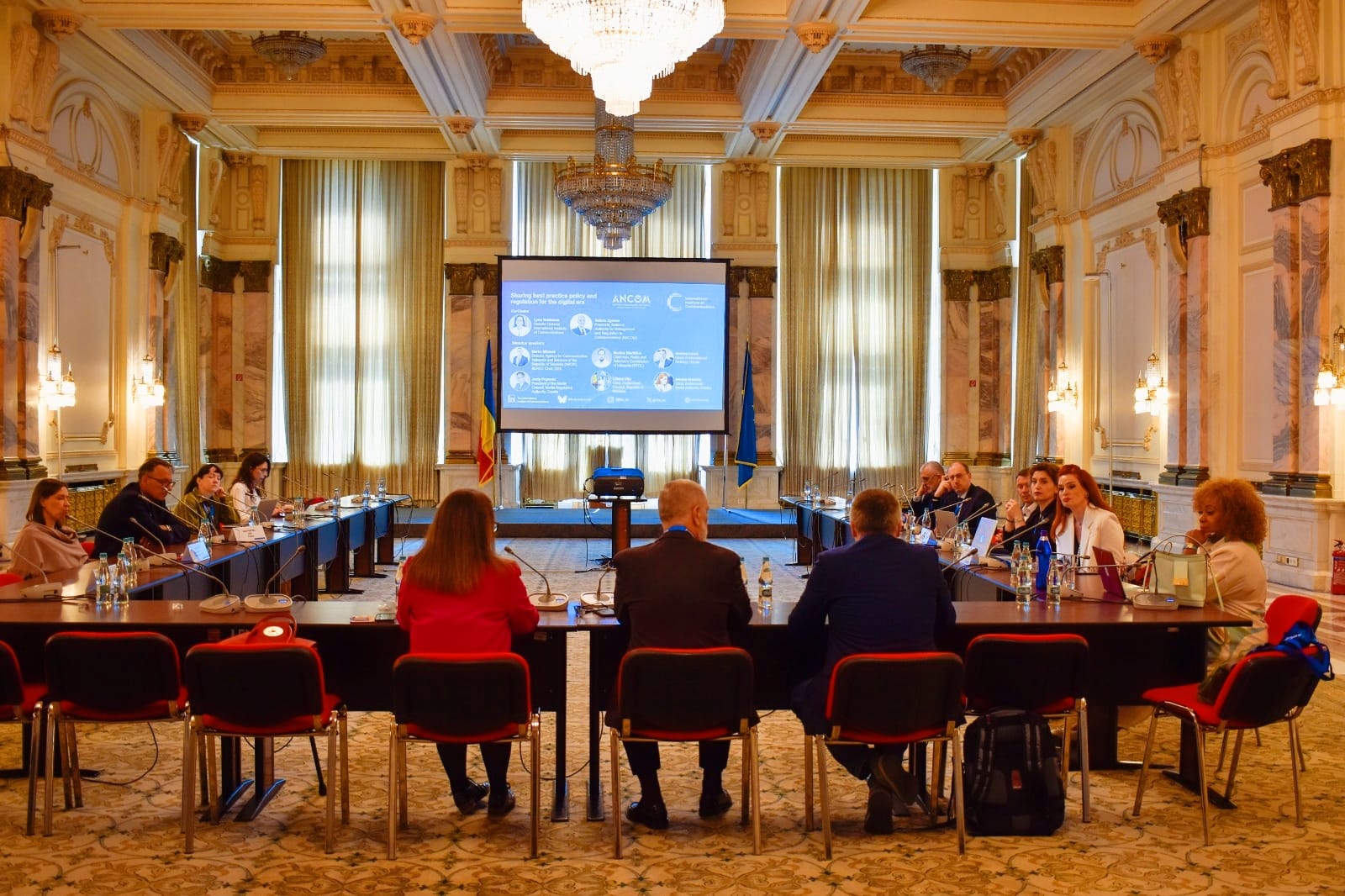
The forum opened with a roundtable dedicated to regulatory authorities, providing an opportunity for an exchange of experience on adapting regulatory frameworks to new technological and digital developments.
More details about the event are available on the IIC website here.
Photo Gallery